 Skip to content
2026: Expert Tips on Installing and Maintaining High-Performance Crate Engines. As the automotive landscape evolves in 2026, crate engines continue to stand out as a top choice for builders aiming for top-tier performance. Knowing the expert tips on installing and maintaining these powerful engines can make all the difference in your auto projects.
Introduction to Crate Engines in 2026
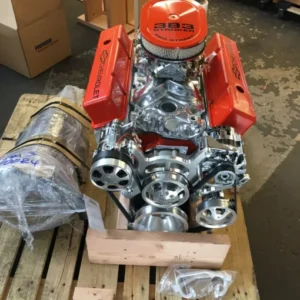
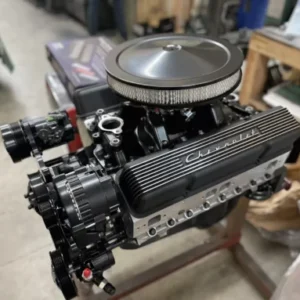
In 2026, crate engines have solidified their reputation as essential components for car enthusiasts, restorers, and performance builders alike. Essentially, a crate engine is a complete, ready-to-install engine that is shipped in a crate, often from the manufacturer or a specialized supplier. These engines are designed to replace or upgrade existing powerplants, offering a straightforward path to boosting vehicle performance without the need for extensive engine building skills.
With advancements in manufacturing and engineering, 2026 sees crate engines featuring improved durability, efficiency, and performance capabilities. Whether you’re restoring a classic muscle car or crafting a high-performance street machine, understanding the ins and outs of crate engines in today’s market is vital for achieving optimal results.
Understanding the Benefits of High-Performance Crate Engines
Choosing a high-performance crate engine offers numerous advantages over rebuilding or custom-building an engine from scratch. Here are some core benefits:
- Reliability and Quality Control: Modern crate engines are built in state-of-the-art manufacturing facilities with strict quality controls, ensuring consistent performance and durability.
- Time and Cost Efficiency: Installing a ready-to-run crate engine saves significant time compared to building an engine from components. It often proves more cost-effective by reducing labor, errors, and parts procurement hassles.
- Performance Gains: High-performance crate engines in 2026 are engineered for increased horsepower, torque, and efficiency, often surpassing original factory specifications.
- Versatility: They’re available for a wide array of vehicle applications, from classic restorations to modern hot rods, allowing for tailored upgrades.
- Warranty and Support: Reputable suppliers provide warranties and technical support, giving peace of mind during installation and operation.
Choosing the Right Crate Engine for Your Vehicle
Selecting the optimal crate engine requires careful consideration of your vehicle’s purpose, compatibility, and performance goals. Here’s what to keep in mind:
Identify Your Vehicle’s Specifications
Start by gathering key details about your vehicle, such as engine bay dimensions, transmission type, and existing drivetrain components. This ensures compatibility and allows for seamless installation.
Define Your Performance Goals
Are you aiming for maximum horsepower for racing or a reliable daily driver with decent power? Crate engines in 2026 range from modest upgrades to full-blown race engines, so clarify your priorities.
Select the Engine Type
- Gasoline Engines: Most common, suitable for street use, with options like V8s, V6s, and newer eco-friendly variants.
- Diesel Engines: Ideal for towing and heavy-duty applications, increasingly popular in 2026 due to efficiency improvements.
- Electric Crate Motors: Emerging market segment for conversions and vintage updates, presenting a different approach to performance.
Evaluate Brand Reputation and Support
Leading brands such as GM Performance Parts, Ford Performance, and aftermarket specialists like Blueprint Engines offer high-quality crate engines with strong warranties in 2026. Review customer feedback and technical support options.
Step-by-Step Guide to Installing a Crate Engine in 2026
Installing a crate engine involves several systematic steps. Here’s a comprehensive guide tailored for 2026:
Preparation Phase
- Gather Tools and Parts: Basic hand tools, engine hoist, engine stand, gaskets, fluids, and any vehicle-specific parts.
- Safety Precautions: Disconnect battery, wear protective gear, and work in a well-ventilated area.
Removing the Old Engine
- Drain all fluids (oil, coolant).
- Disconnect wiring harnesses, fuel lines, transmission connections, and exhaust components.
- Secure the vehicle and lift the engine using an appropriate hoist.
- Remove the engine mounts and carefully extract the old engine.
Installing the Crate Engine
- Inspect and prepare the engine bay, cleaning and checking fitment.
- Align the new crate engine with the mounts and secure it in place.
- Reconnect transmission, wiring, fuel lines, coolant hoses, and exhaust components.
- Fill engine with fresh fluids as per manufacturer specifications.
- Double-check all connections and fittings.
Initial Startup and Testing
- Reinstall the battery and check for leaks or loose connections.
- Start the engine and monitor parameters like oil pressure, temperature, and RPMs.
- Test drive the vehicle cautiously, paying attention to engine response and vibrations.
- Make necessary adjustments or tune-ups as recommended.
Essential Maintenance Tips for Long-Lasting Performance
Maintaining your crate engine ensures maximum longevity and performance. Here are key tips for 2026:
- Regular Oil Changes: Use high-quality synthetic oils and follow manufacturer intervals, typically every 5,000 to 7,500 miles.
- Coolant System Checks: Ensure proper coolant levels and inspect hoses for leaks or deterioration, especially with newer engine materials.
- Air Filter Maintenance: Keep filters clean to prevent debris ingestion, crucial for high-performance engines.
- Fuel System Care: Use cleaner additives periodically to prevent deposits and ensure optimal fuel delivery.
- Engine Tuning and Diagnostics: Utilize advanced diagnostic tools and regular tune-ups to maintain peak performance.
Common Troubleshooting Tips for Crate Engines
Despite high quality, occasional issues can arise. Here are solutions tailored for 2026 models:
- Engine Won’t Start: Check fuel supply, ignition system, and battery connection. Ensure all sensors are functioning properly.
- Overheating: Inspect coolant levels, radiator, and thermostats. Consider upgrading cooling systems if issues persist.
- Poor Fuel Efficiency: Use proper tuning, check for vacuum leaks, and replace clogged filters.
- Unusual Noises or Vibrations: Verify mounts, exhaust connections, and internal components for wear or misalignment.
- Check Engine Light: Use diagnostic tools to read fault codes and address specific issues promptly.
Future Trends in Crate Engine Technology for 2026
The year 2026 is marked by innovative strides in crate engine technology. Here’s what to expect:
- Electrification: An increasing number of companies offer high-performance electric crate motors, catering to the rise of electric vehicles and conversions.
- Advanced Materials: Use of carbon composites and lightweight alloys enhances durability and performance while reducing weight.
- Smart Engine Management: Integration of AI-driven controls allows real-time tuning, diagnostics, and maintenance alerts, making engine management more user-friendly and efficient.
- Eco-Friendly Powertrains: Focus on clean emissions and fuel efficiency with innovations in hybrid and eco-friendly crate engines.
- Customization and Modular Design: Modular crate engines allow builders to tweak components for specific performance targets with minimal fuss.
Overall, 2026 continues to be a transformative year for crate engines, combining performance, technology, and sustainability to meet the evolving demands of automotive enthusiasts and professionals.
Investing in the right crate engine and understanding proper installation and maintenance practices can elevate your vehicle’s performance to new heights this year and beyond!
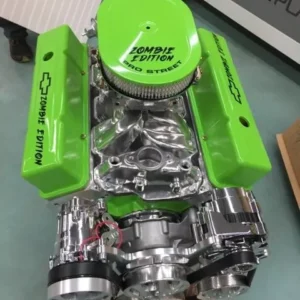
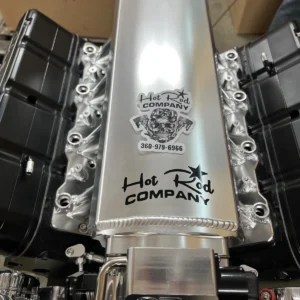
Crate Engines
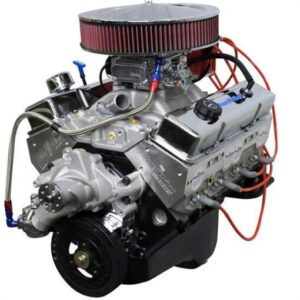
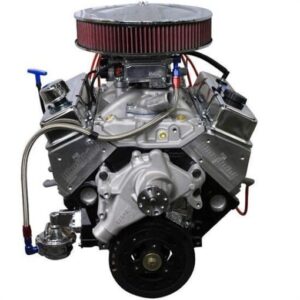
Crate Engines
Crate Engines
Crate Engines
